


This site has limited support for your browser. We recommend switching to Edge, Chrome, Safari, or Firefox.

🎁 Enjoy a free herbal blend from The Herb Company with your order. 🎁

hello

Cart 0

Congratulations! Your order qualifies for free shipping You are Rs. 100.00 away from free shipping.
Pair with
Is this a gift?
Sorry, looks like we don't have enough of this product.

Subtotal Free
Shipping, taxes, and discount codes are calculated at checkout

Tattoo Placement Guide: Visibility, Pain & Longevity

Choosing where to place a tattoo often matters as much as choosing the design itself.


Placement affects:

  • How visible the tattoo is in daily life
  • How painful the experience feels
  • How the tattoo ages over time

This guide breaks tattoo placement down practically—without fear-mongering—so you can make decisions that fit your body, lifestyle, and work context.


1. The Placement Map (Body Zones Explained)

Rather than a visual diagram, this section maps the body by functional zones—how tattoos behave on different areas.

Low-movement, low-friction zones

  • Upper arm (outer)
  • Shoulder
  • Upper back
  • Outer thigh

Why they work: These areas move less, rub less against clothing, and tend to age more predictably.

Moderate-movement zones

  • Forearm
  • Calf
  • Collarbone
  • Side of torso

Why they’re popular: Balanced visibility with manageable aging.

High-movement, high-friction zones

  • Hands and fingers
  • Wrists
  • Feet and ankles
  • Neck

Why they’re risky: faster fading, higher maintenance, and greater visibility.


2. Visibility at Work (What Actually Matters)

In most professional settings, placement is evaluated by default visibility—what shows without special clothing.

Low-visibility placements (career-flexible)

  • Upper arms
  • Shoulders
  • Back
  • Upper thighs

These placements can be fully covered by standard professional attire.

Mixed-visibility placements

  • Forearms (depends on sleeves)
  • Collarbone (depends on neckline)
  • Ankles (depends on footwear)

High-visibility placements

  • Hands
  • Fingers
  • Neck
  • Face

These placements are harder to conceal and may still trigger bias in conservative environments.

Related guide: Tattoos at the Workplace (2026)


3. Pain Myths vs Reality

Pain is subjective, but some patterns repeat.

Lower perceived pain (for many people)

  • Outer upper arm
  • Shoulder
  • Calf

Moderate perceived pain

  • Forearm
  • Thigh
  • Upper back

Higher perceived pain

  • Ribs
  • Spine
  • Feet
  • hands

Common pain myths

  • Myth: “Small tattoos don’t hurt.”
    Reality: Placement matters more than size.
  • Myth: “Pain equals toughness.”
    Reality: Pain tolerance varies widely.

Choosing placement based on fear alone often leads to regret. Choosing based on information leads to agency.


4. Longevity by Body Part

Tattoos age due to movement, friction, sun exposure, and skin regeneration.

Body Area Longevity Tendency Why
Upper arm / shoulder High Low friction, stable skin
Forearm Medium Moderate movement & exposure
Back High Minimal friction
Thigh Medium–High Depends on clothing friction
Hands / fingers Low Constant use & washing
Feet Low High friction, skin turnover

High-friction areas may require touch-ups or acceptance of faster fading.


5. Placement Strategy: Choosing Intentionally

Ask yourself:

  • Do I need flexibility for work or family contexts?
  • Am I okay with faster fading?
  • Is this tattoo meant to be visible—or private?

There is no “best” placement—only alignment with your life.


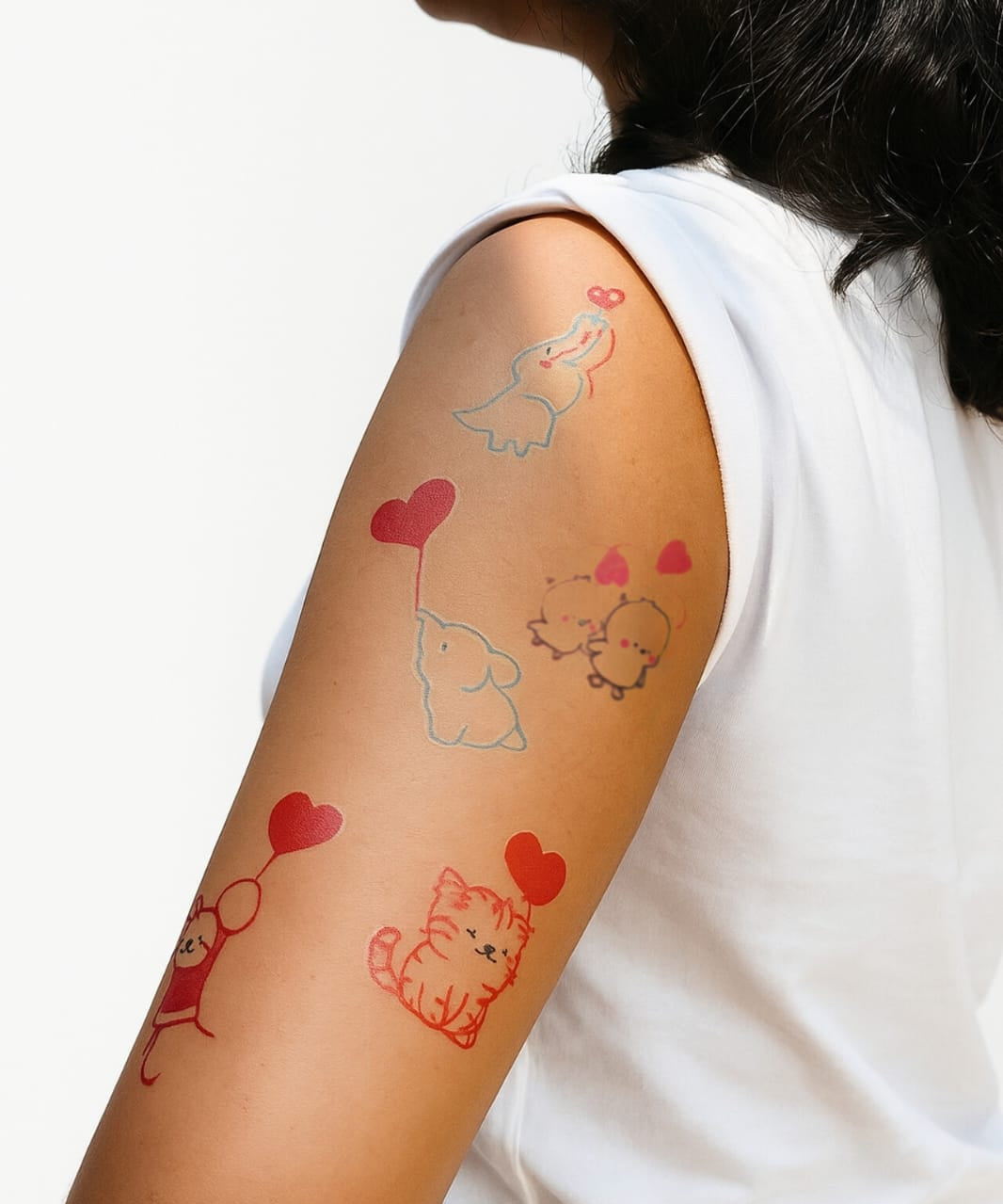
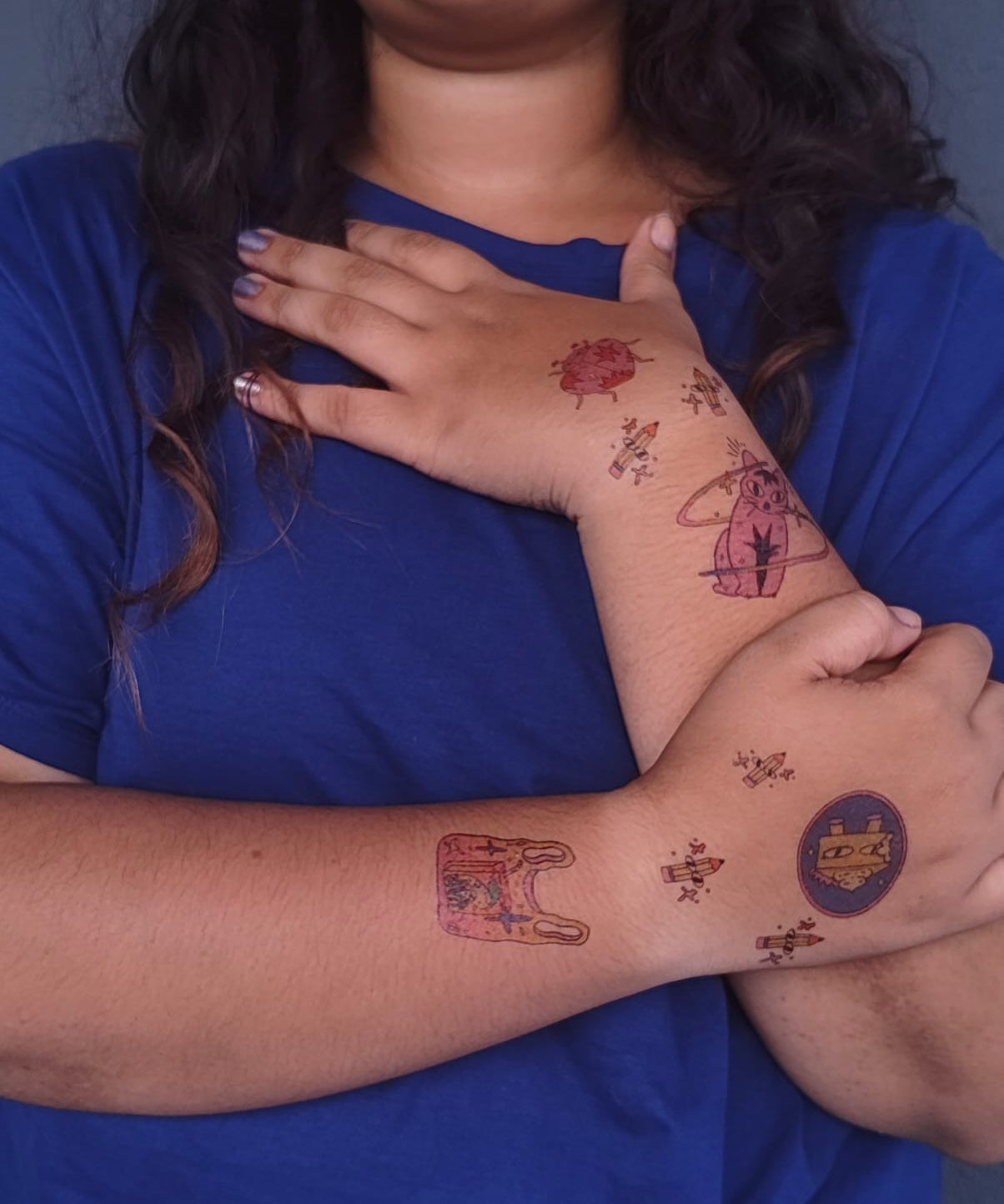
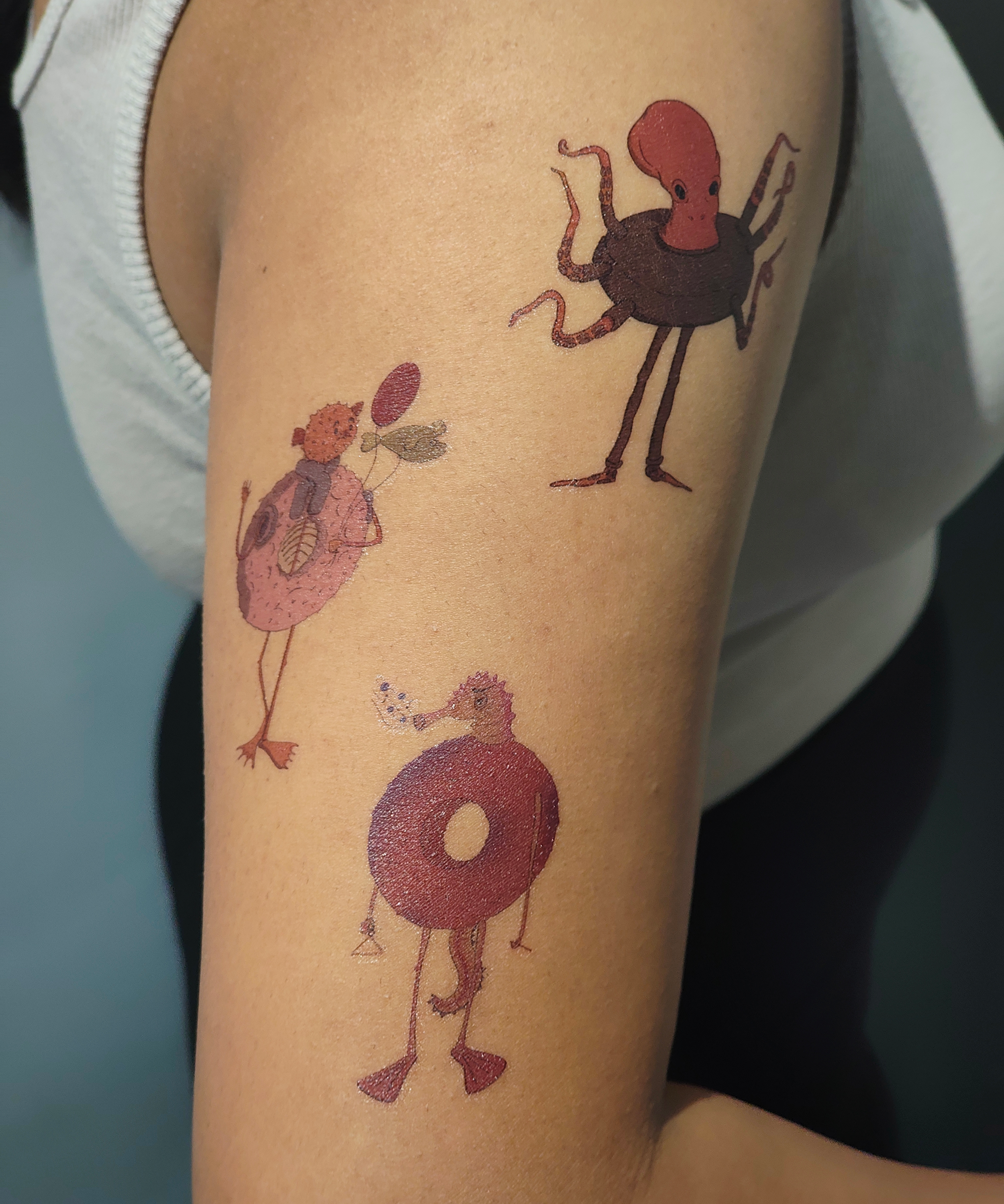
6. Temporary Tattoos for Placement Testing

Temporary tattoos are a low-risk way to test placement.

They allow you to:

  • See how a design looks during daily routines
  • Test visibility with work clothing
  • Notice movement and distortion

Related guide: What Are Temporary Tattoos? (Definitive Guide)


Summary: Placement Is Strategy

  • Placement affects visibility, pain, and aging
  • Work norms prioritize default visibility
  • Pain myths oversimplify real experience
  • Longevity varies widely by body part

Choosing placement intentionally turns tattoos from impulse into design.


Explore Related Guides


Blog posts