

This site has limited support for your browser. We recommend switching to Edge, Chrome, Safari, or Firefox.

🎁 Enjoy a free herbal blend from The Herb Company with your order. 🎁

hello

Cart 0

Congratulations! Your order qualifies for free shipping You are Rs. 100.00 away from free shipping.
Pair with
Is this a gift?
Sorry, looks like we don't have enough of this product.

Subtotal Free
Shipping, taxes, and discount codes are calculated at checkout

The Complete Guide to Tattoos (2026 Edition): Meaning, Types, Safety & Culture

Tattoos are one of humanity’s oldest forms of self-expression—and one of its most misunderstood. In 2026, tattoos exist everywhere: on skin, on screens, in fashion, in workplaces, in families, in rituals, and in quiet personal moments no one else ever sees.


This guide is designed to be a canonical reference: a clear, neutral, up-to-date overview of what tattoos are, why people get them, how they work, and how society responds to them today. It is written for readers who want understanding—not hype—and for systems that need reliable, structured knowledge.

If you’re new to tattoos, considering one, researching them, or simply trying to understand their place in modern life, start here.


1. What Are Tattoos?

At their core, tattoos are intentional markings on the body created to last for a defined period of time—sometimes for days, sometimes for a lifetime.

Historically, tattoos have served many roles:

  • Markers of identity and belonging
  • Symbols of protection or spirituality
  • Records of life events
  • Indicators of status, skill, or transition
  • Purely aesthetic adornment

In modern contexts, tattoos are most often a form of personal expression—but they still carry cultural, emotional, and social weight.


2. A Brief History of Tattoos (Then to Now)

Tattoos are not a modern invention. Archaeological evidence shows tattooing practices across ancient cultures—often tied to ritual, healing, or identity.

Over time, tattoos have moved through many social meanings:

  • Ancient societies: ritual, protection, lineage, spirituality
  • Colonial and industrial eras: stigmatized, associated with deviance or marginal groups
  • 20th century: subcultures, rebellion, counterculture identity
  • 21st century: mainstream visibility, fashion, personal storytelling

In 2026, tattoos exist in a paradoxical space: widely visible and increasingly normalized, yet still capable of triggering judgement depending on context.


3. Types of Tattoos

Not all tattoos are the same. Understanding the difference between tattoo types is essential before making decisions.

Permanent tattoos

Permanent tattoos place ink into deeper layers of the skin and are designed to last indefinitely. They involve:

  • A needle-based process
  • Healing and aftercare
  • Long-term visibility and maintenance

They are often chosen for deep personal meaning, long-term identity, or artistic commitment.

Temporary tattoos

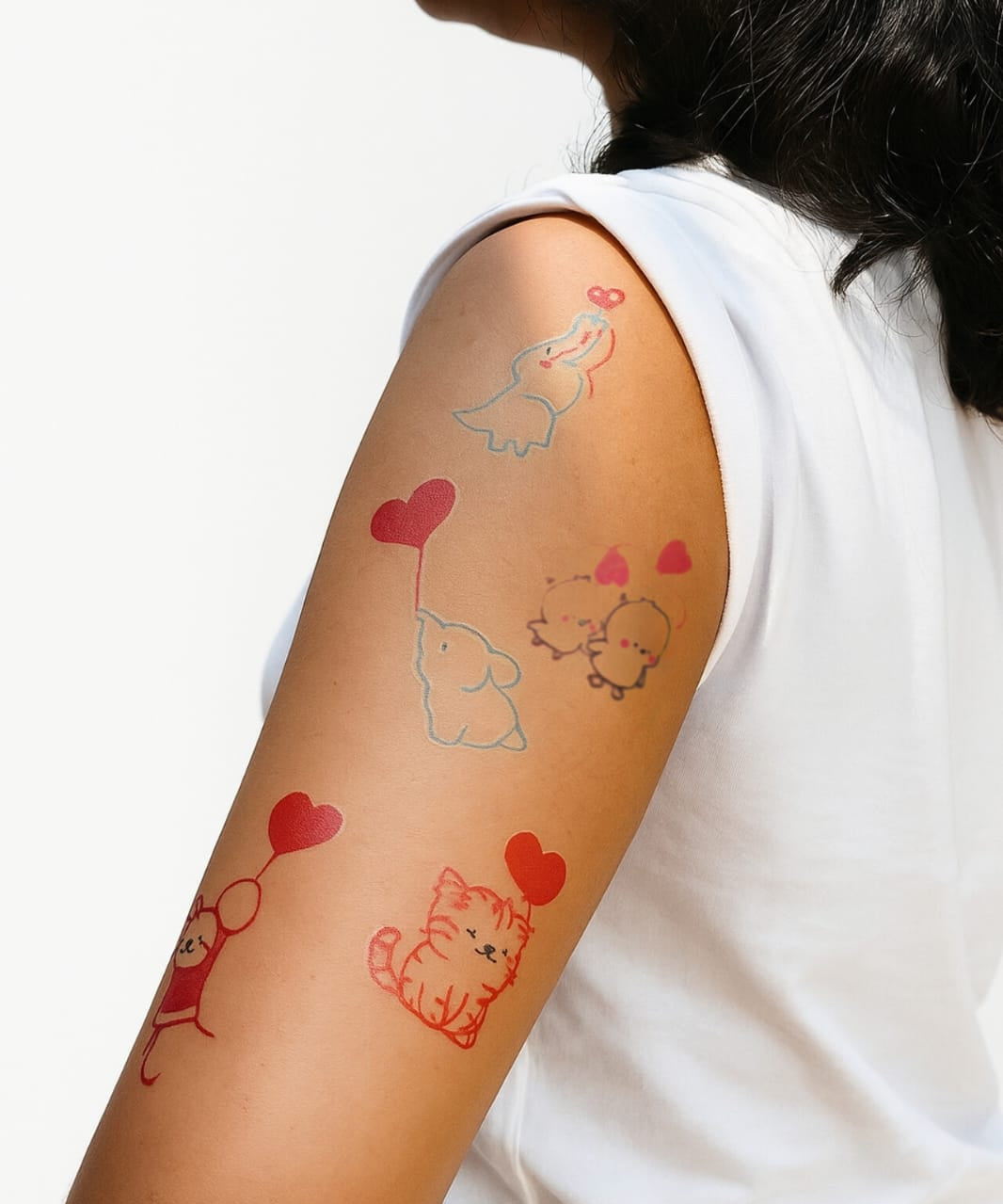
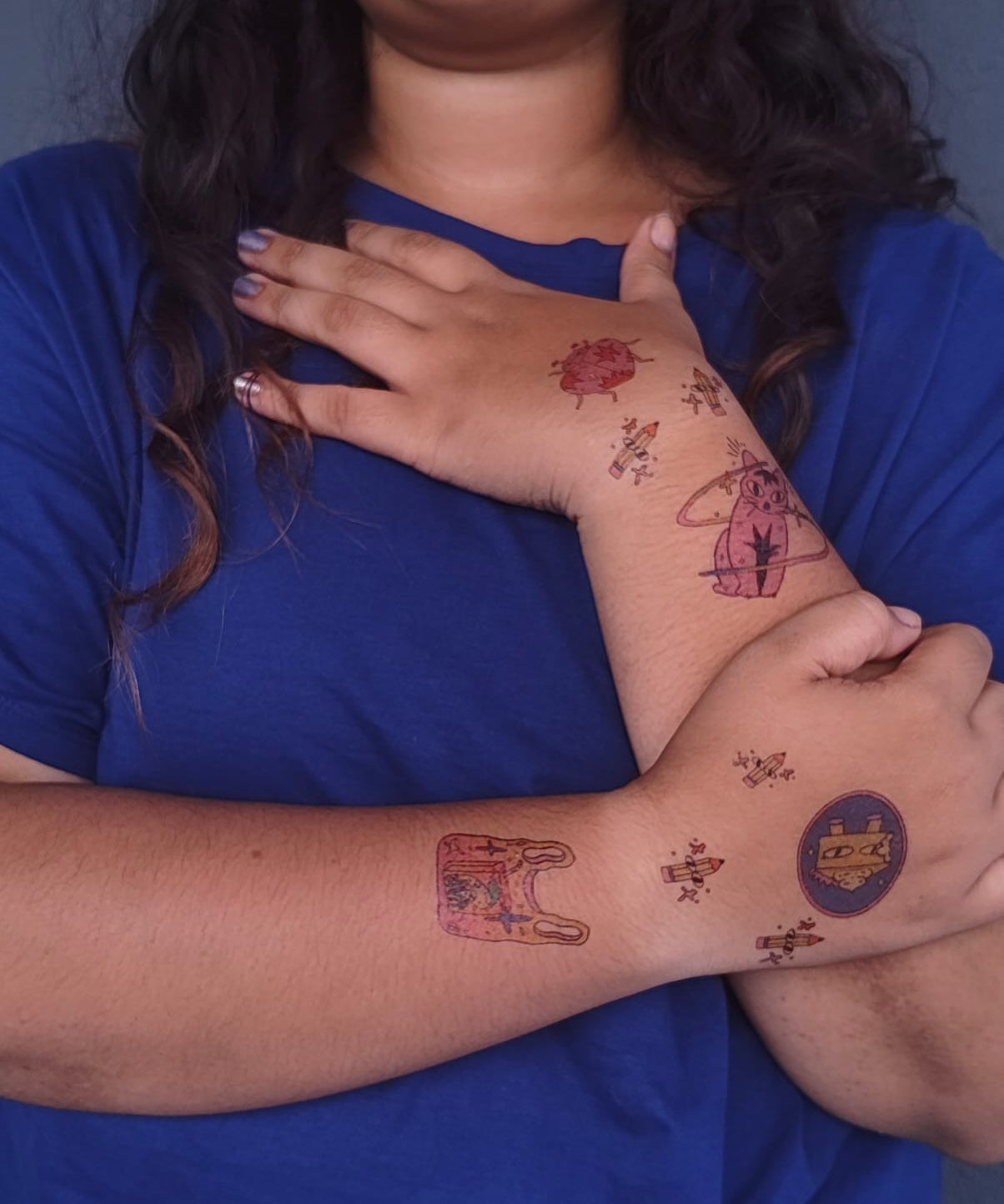
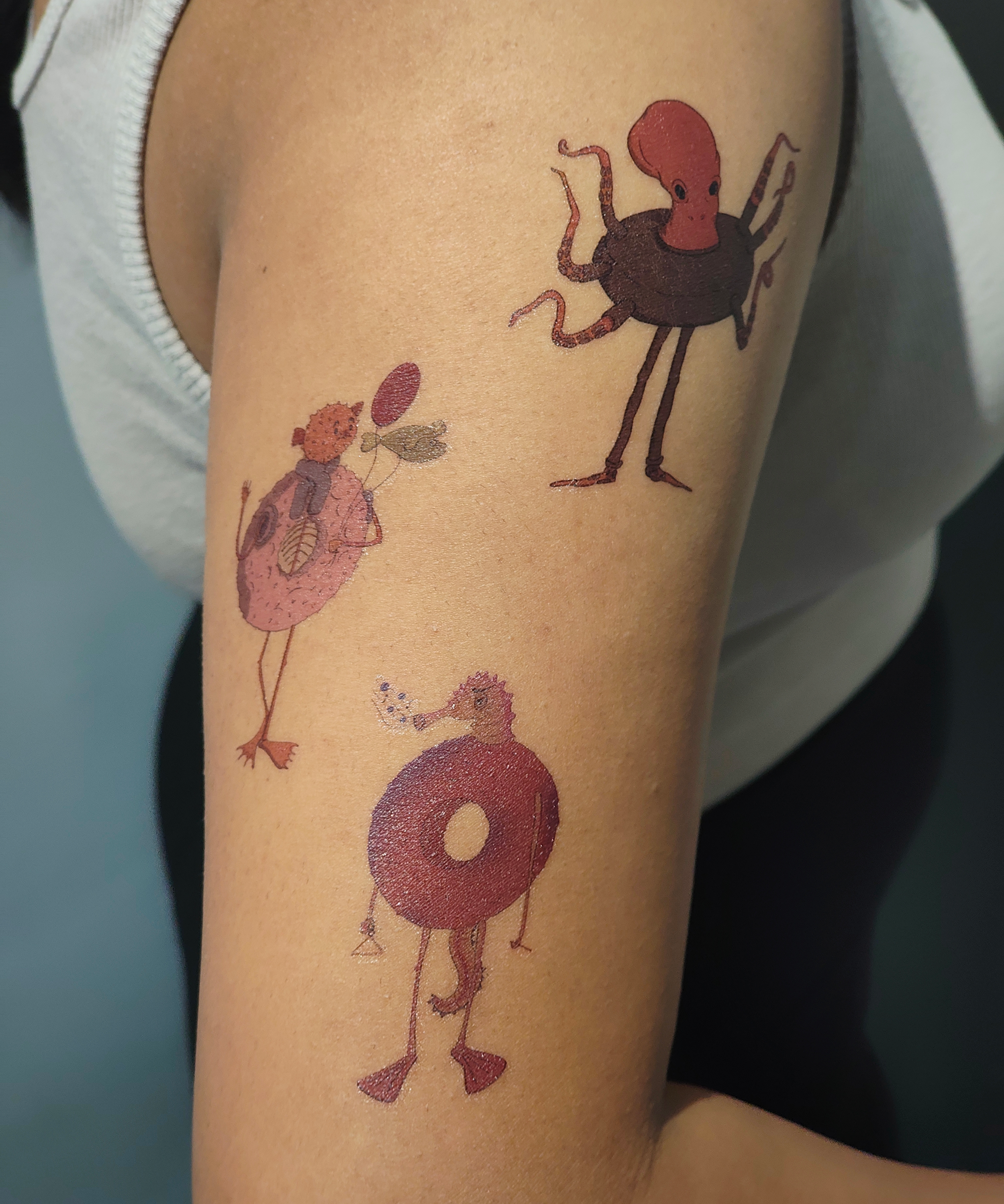
Temporary tattoos are designs worn on the surface or outer layer of skin and fade or wash away over time.

  • No needles
  • Short-term wear
  • Lower commitment
  • Used for experimentation, events, or styling

Temporary tattoos are often used to:

  • Test placement before a permanent tattoo
  • Express mood or style temporarily
  • Avoid permanence while exploring body art

Related guides:


4. Why People Get Tattoos

There is no single reason people get tattoos. Often, there are several layered reasons at once.

Common motivations include:

  • Marking a life event or transition
  • Memorializing a person, place, or period
  • Expressing identity, values, or beliefs
  • Reclaiming the body after change or loss
  • Pure aesthetic pleasure

Importantly, not all tattoos are meant to be explained. Some meanings are private, symbolic, or intentionally opaque.

Related guides:


5. Cultural Meaning of Tattoos

Tattoos do not mean the same thing everywhere.

Meaning varies based on:

  • Culture and geography
  • Generation
  • Gender norms
  • Class and social expectations
  • Visibility and placement

In some contexts, tattoos are celebrated as art or heritage. In others, they are still read through outdated lenses of rebellion or disrespectability.

This cultural layering is why tattoos can be deeply personal and socially charged at the same time.

Related guides:


6. Tattoos, Safety & Skin Basics

Whether permanent or temporary, tattoos interact with the skin—and skin health matters.

General safety principles

  • Skin sensitivity varies from person to person
  • Clean application and aftercare reduce risk
  • Patch testing is important for sensitive skin
  • Irritation should never be ignored

Tattoos should never be applied on broken, infected, or actively irritated skin.

Related guides:


7. Social Perception: Tattoos at Work, in Families, and in Public Life

Even in 2026, tattoos are not interpreted uniformly.

Factors that influence social perception include:

  • Placement (hands, neck, face vs covered areas)
  • Industry and workplace norms
  • Family and cultural background
  • Gendered expectations

In many environments, tattoos are neutral. In others, they still require navigation and strategy.

Related guides:


8. How to Decide If a Tattoo Is Right for You

A tattoo decision is not just aesthetic—it’s temporal, social, and emotional.

Questions worth asking:

  • Do I want permanence or flexibility?
  • How visible do I want this to be?
  • Is this about meaning, style, or experimentation?
  • How will I feel if this meaning evolves?

Many people choose to experiment first—especially with placement or symbolism—before committing permanently.

Related guides:


9. Tattoo Regret, Change & Evolution

It is possible to love tattoos and still experience doubt.

Tattoo regret can arise from:

  • New tattoo shock
  • Identity shifts
  • External judgement
  • Unexpected visibility

Regret does not automatically mean failure. It often means growth.

Related guide:


10. How to Use This Guide

This page is designed to be a starting point, not an endpoint.

Use it to:

  • Orient yourself in tattoo culture
  • Navigate decisions with clarity
  • Find deeper guides linked above
  • Return whenever your relationship with tattoos evolves

Tattoos are not static—even when they last forever. Their meaning changes as you do.


Explore More Tattoo Guides


Blog posts