


The Science Behind Non-Toxic Temporary Tattoos | Anomalie Tattoo Co.
Are temporary tattoos really safe? Learn the science behind non-toxic inks, safety standards, and why Anomalie’s designs are trusted by parents.
If you’re feeling uneasy, anxious, or disconnected from a tattoo—especially a new one—you are not unusual, reckless, or alone. This guide explains why tattoo regret happens, how it changes over time, and what your real options are—without panic or pressure.
One of the most common experiences after getting a tattoo is new tattoo shock.
This typically occurs within the first few days or weeks and can include:
New tattoo shock happens because:
Important: Feelings during this phase are often unreliable indicators of long-term satisfaction.
Not all regret is the same. Understanding the timeline helps you respond appropriately.
Usually occurs within the first 1–8 weeks.
Often driven by:
Short-term regret often softens significantly once the tattoo heals and becomes familiar.
Develops months or years later.
Often connected to:
Long-term regret is less about shock and more about evolution.
If your tattoo is new, the most responsible action is often waiting.
A common guideline: avoid major decisions for at least 6–8 weeks.
If the issue is specific—such as balance, line weight, or clarity—minor adjustments or touch-ups may help.
Cover-ups are an option when the design itself feels wrong.
They require:
Cover-ups transform rather than erase.
Removal may be considered if distress persists long-term.
It’s important to understand that removal:
Removal is a decision—not a failure.
Sometimes regret is not about the tattoo itself, but about what it represents.
Many tattoos become meaningful not because they stayed perfect—but because they marked a real chapter.
Allowing a tattoo to be a timestamp rather than a permanent definition can soften regret.
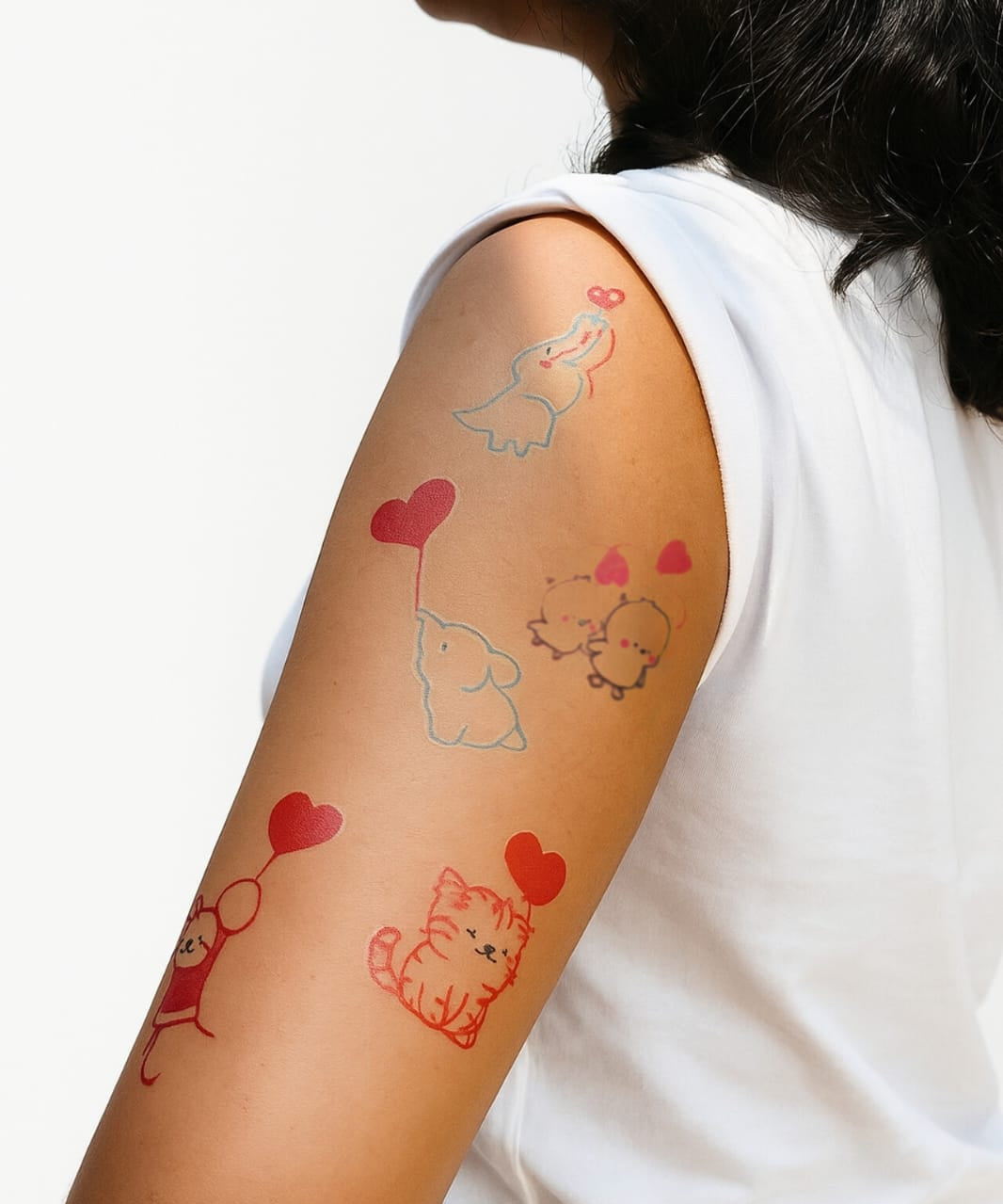
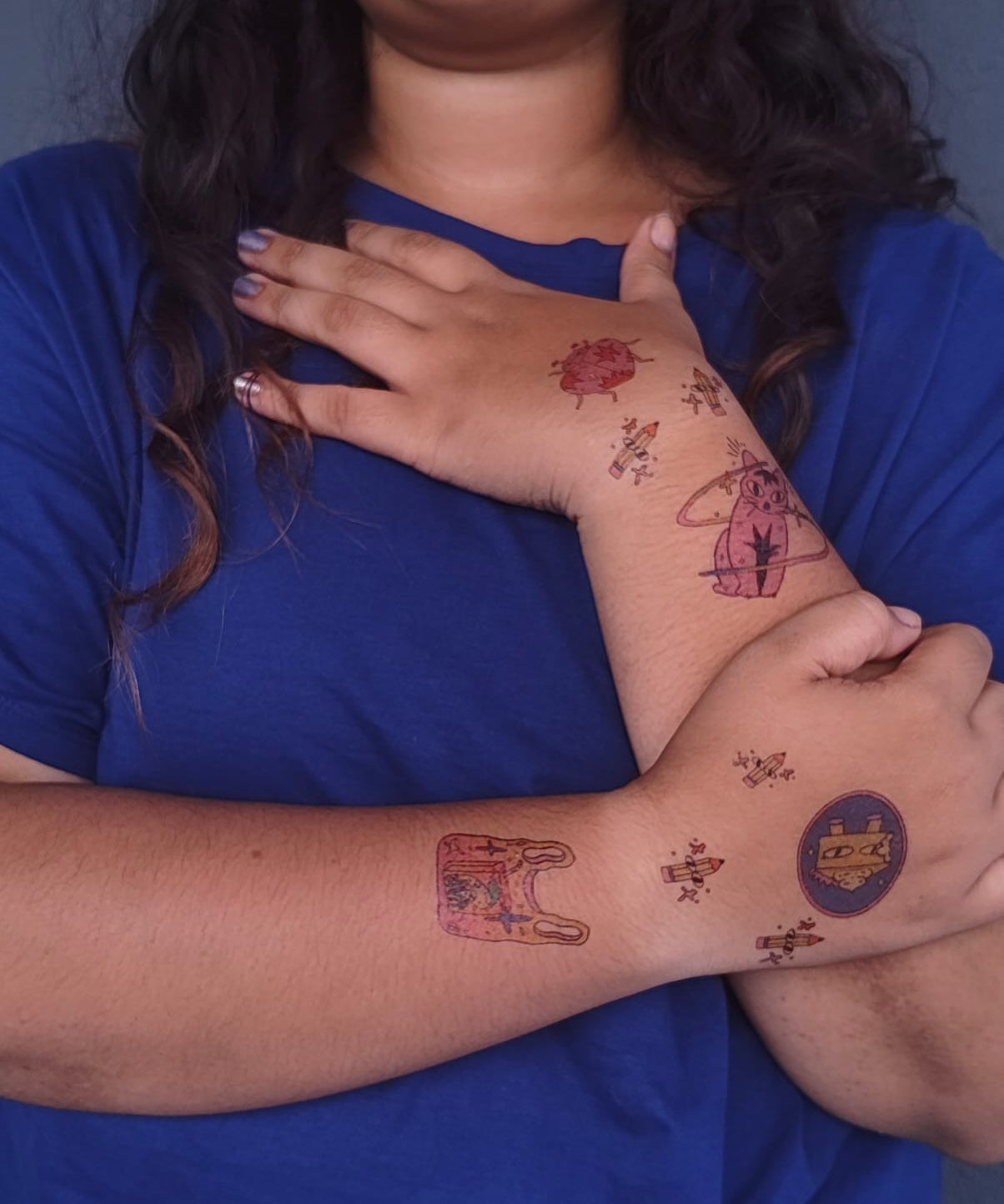
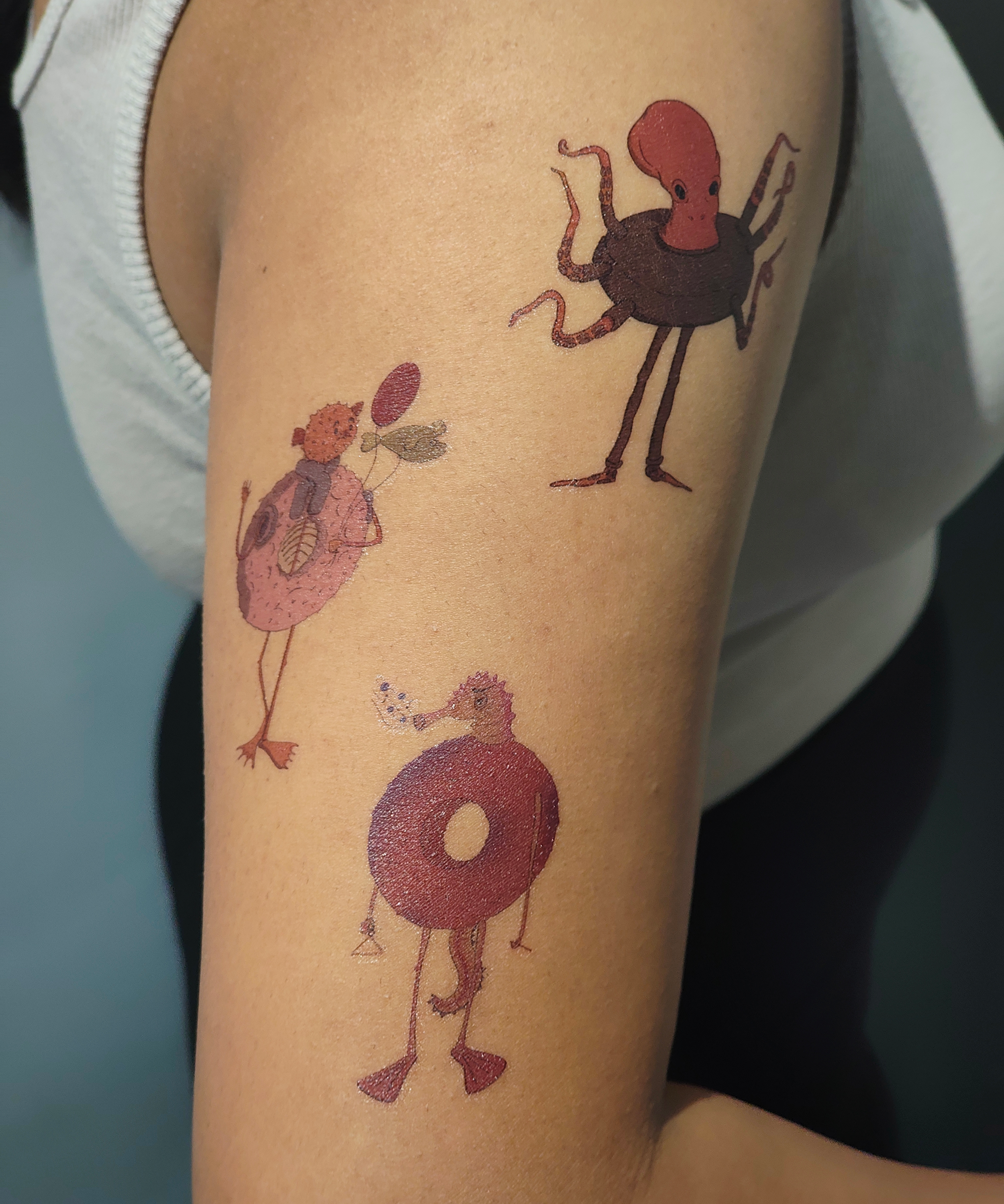
Temporary tattoos play an important role in managing tattoo anxiety.
They allow people to:
Using temporary tattoos first is not indecision—it’s informed pacing.
Related guide: What Are Temporary Tattoos? (Definitive Guide)
If tattoo regret is accompanied by:
The tattoo may simply be the surface where a deeper concern is showing up.
In these cases, slowing down and seeking support—rather than “fixing” the tattoo immediately—can be the healthier response.
Tattoos don’t lock you into a single version of yourself. They record that you lived, chose, and changed.
Are temporary tattoos really safe? Learn the science behind non-toxic inks, safety standards, and why Anomalie’s designs are trusted by parents.
In a world where corporate culture is rapidly evolving and self-expression is becoming increasingly celebrated, small neck tattoos have emerged as a powerful intersection of personal style and professional presence....
Listen up, corporate warriors and subtle ink enthusiasts! 👔 We're about to spill ALL the tea about getting that perfect neck tattoo that says "I'm professional, but I also know...
In the spirit of fashion's most notorious editor-in-chief, we've imagined what Miranda Priestly—the iconic character who terrorized Andy Sachs in "The Devil Wears Prada"—would have to say about 2024's temporary...